Build, train, upgrade
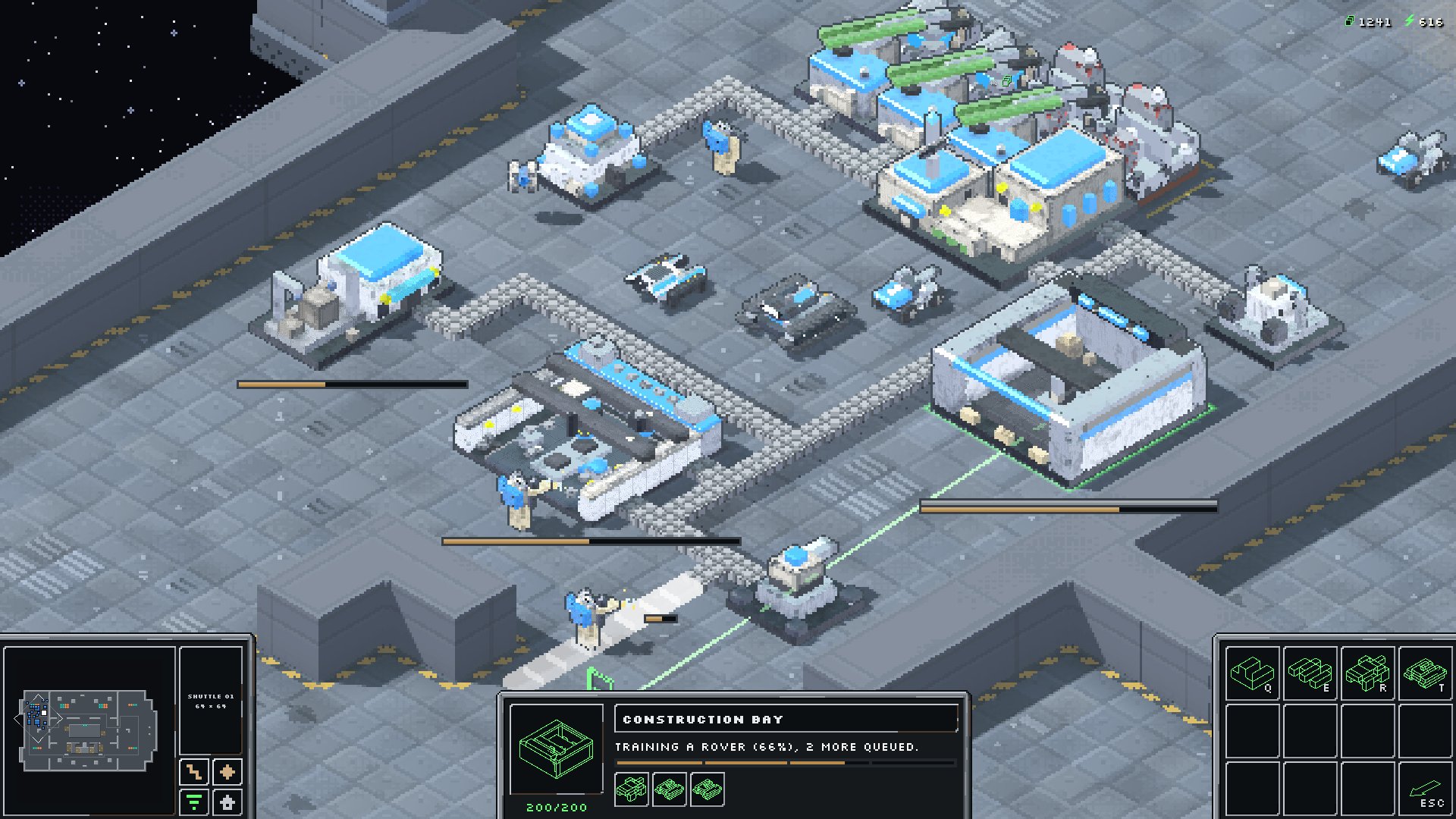
Set up Extractors on metals and energy, then turn them into buildings and units, from Rovers to heavy Tracklayers.
Research makes them tougher, harder hitting and longer ranged, and teaches your Operators new tricks.
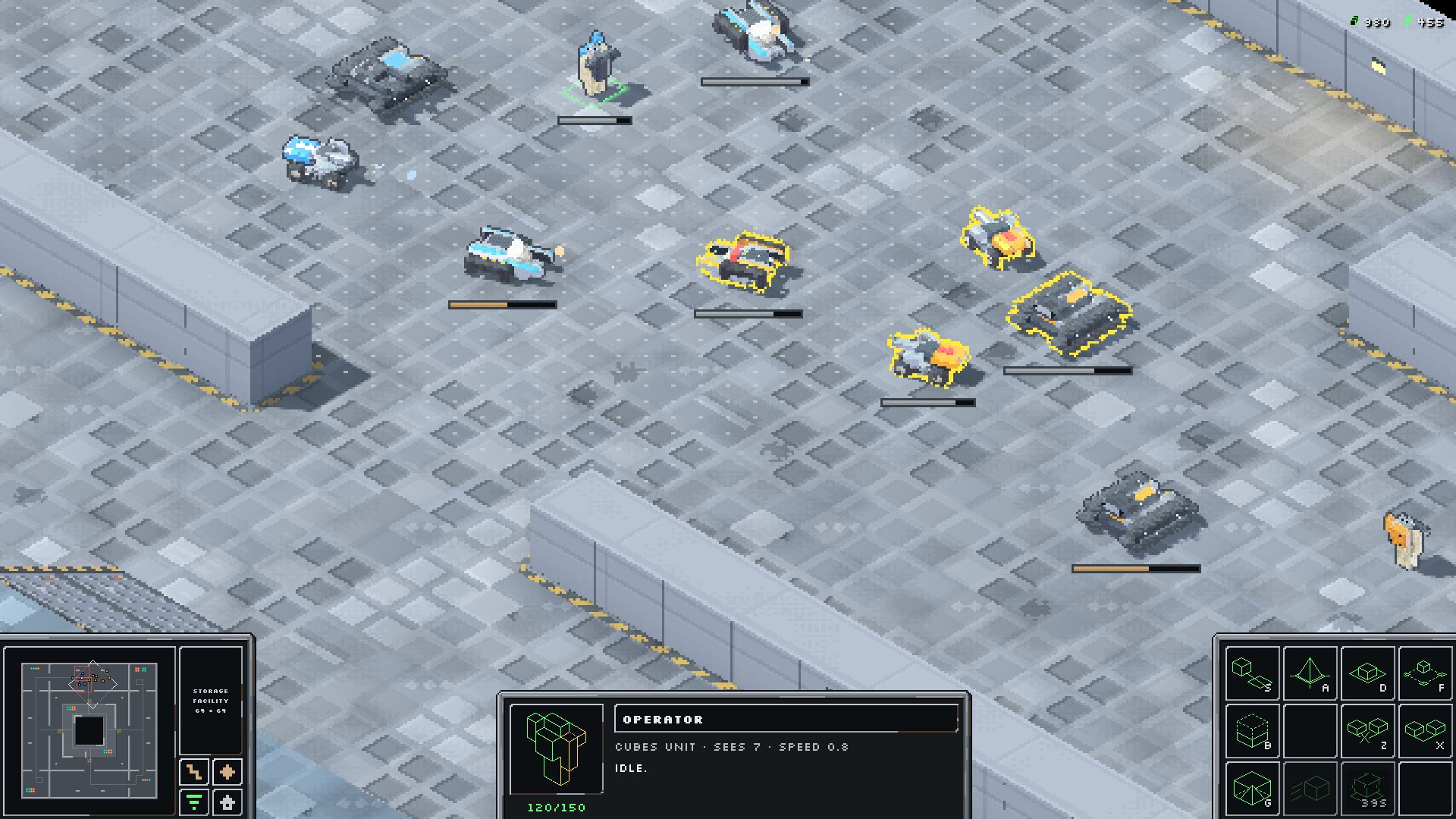
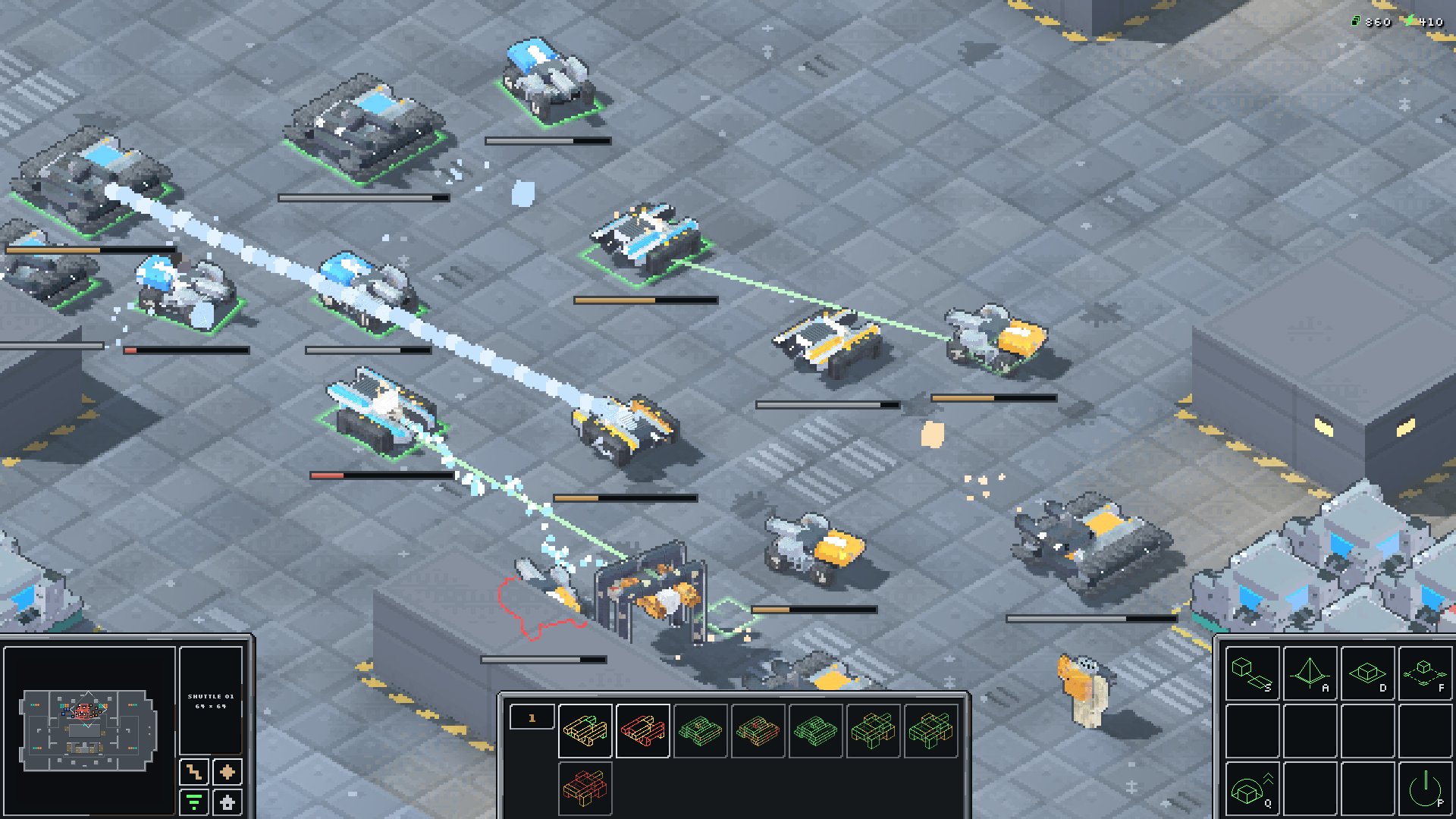
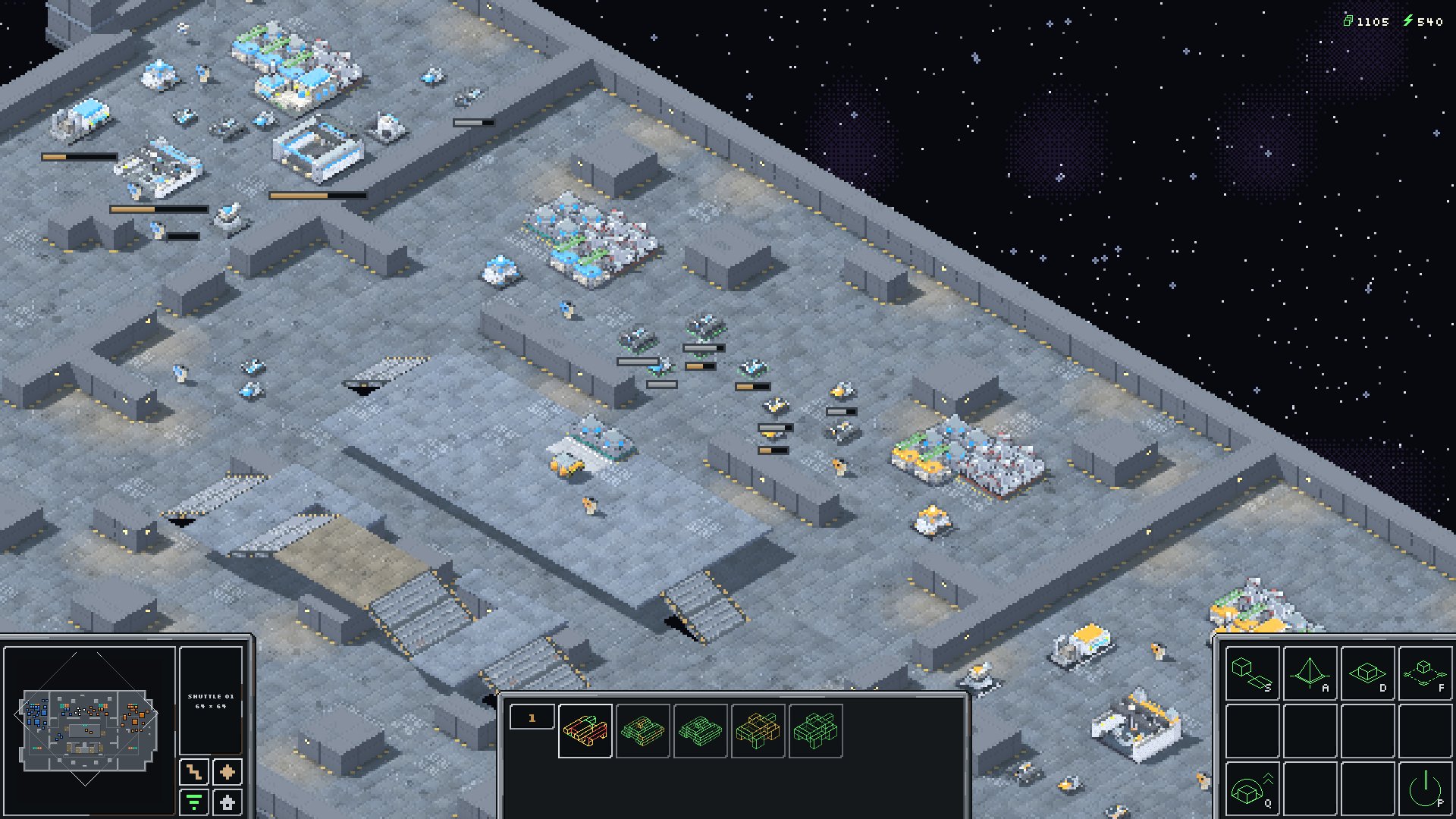
Shuttle 01, with both sides on board.
Hi, I'm Peter. I make shutdown on my own, and I've loved strategy games for as long as I can remember.
I still remember how my first one felt when I played it as a kid: the little units going about their work, and the awe of commanding them. With shutdown I'm trying to bring that feeling back, in a retro look, and share it with you.
It's a game of quick decisions and cunning moves, of building a base and keeping it supplied. And it tells the story of people trying not to be overtaken by their own machines gone rogue.
shutdown is coming to Steam, and the store page will be up soon. Until then, join the Discord: that's where I post what's new, and where you can tell me what you think.
Everything in shutdown is built from blocks, unit by unit. Rovers steer on their wheels, Crawlers swing a hammer, the Strider walks, and a Tracklayer can fire a floor up or down.
Each match is one against one, on maps that stack up to three floors high: a shuttle drifting in space, a storage facility of ramps and ledges. One side breaks in, the other holds out.

Everything turns on your Operators.
Every other unit on the field, from the smallest Rover to the heaviest Tracklayer, is an automaton. Automatons only act on orders, and the orders come from your Operators, so wherever you want to fight, an Operator has to be close by. Operators build your base, too. And they are the win condition: lose your last Operator and the match is lost, however big your base or your army. Hunt down theirs, and it's won.
So every attack is a gamble: take your Operators to the front where they're needed, or keep them back where they're safe.

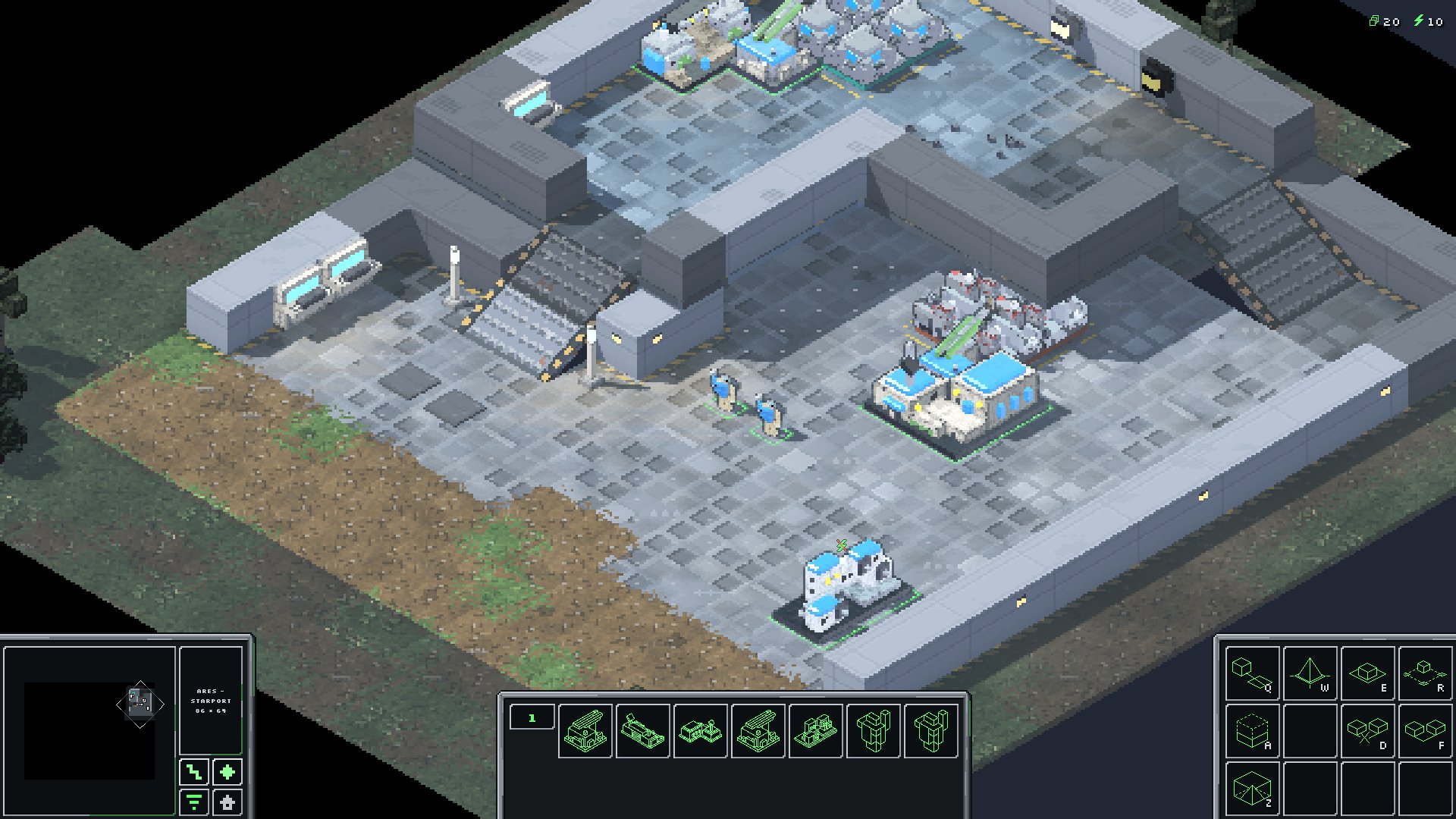
Set up Extractors on metals and energy, then turn them into buildings and units, from Rovers to heavy Tracklayers.
Research makes them tougher, harder hitting and longer ranged, and teaches your Operators new tricks.

The Glitch is a rogue virus, and your Operators can spread it among the other side's machines. Infected machines grow stronger, and they turn hostile to everyone on the field, friend or foe.
When the Glitch reaches your own machines, you can shut them down in time. They sit dark and defenceless for a while, then wake up yours again. Or you can let it run: a rogue machine hits harder, and it still fights the enemy too. Knowing when to shut down and when to let the virus loose often decides the match.
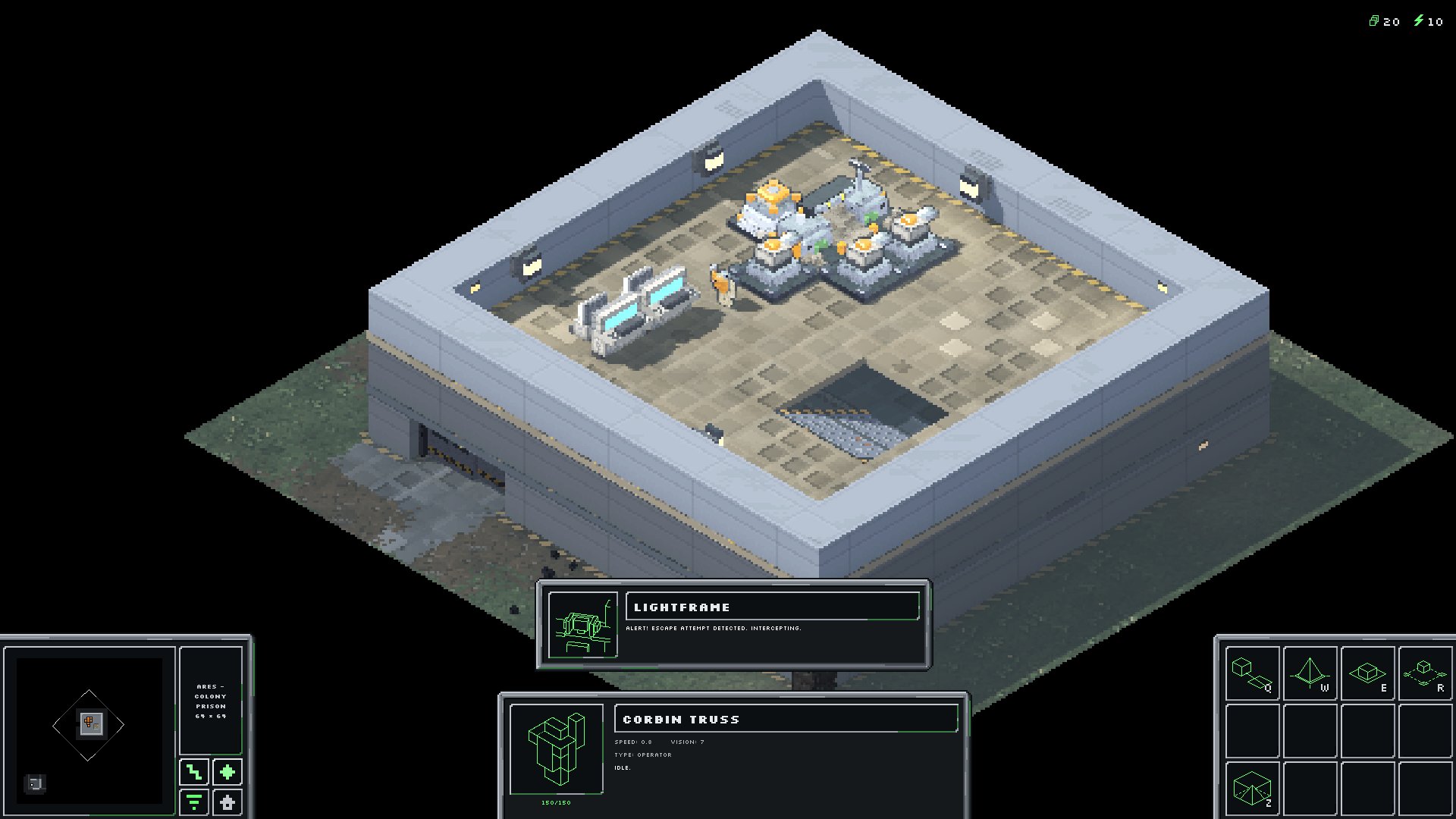
Corbin Truss is serving twenty years in El Poena Colony Prison on the planet Ares - II. His crime: researching the Glitch, the code the Syndicate runs on its automatons. The Syndicate wants to control it. Corbin believes it's dangerous. The campaign begins the day he breaks out.


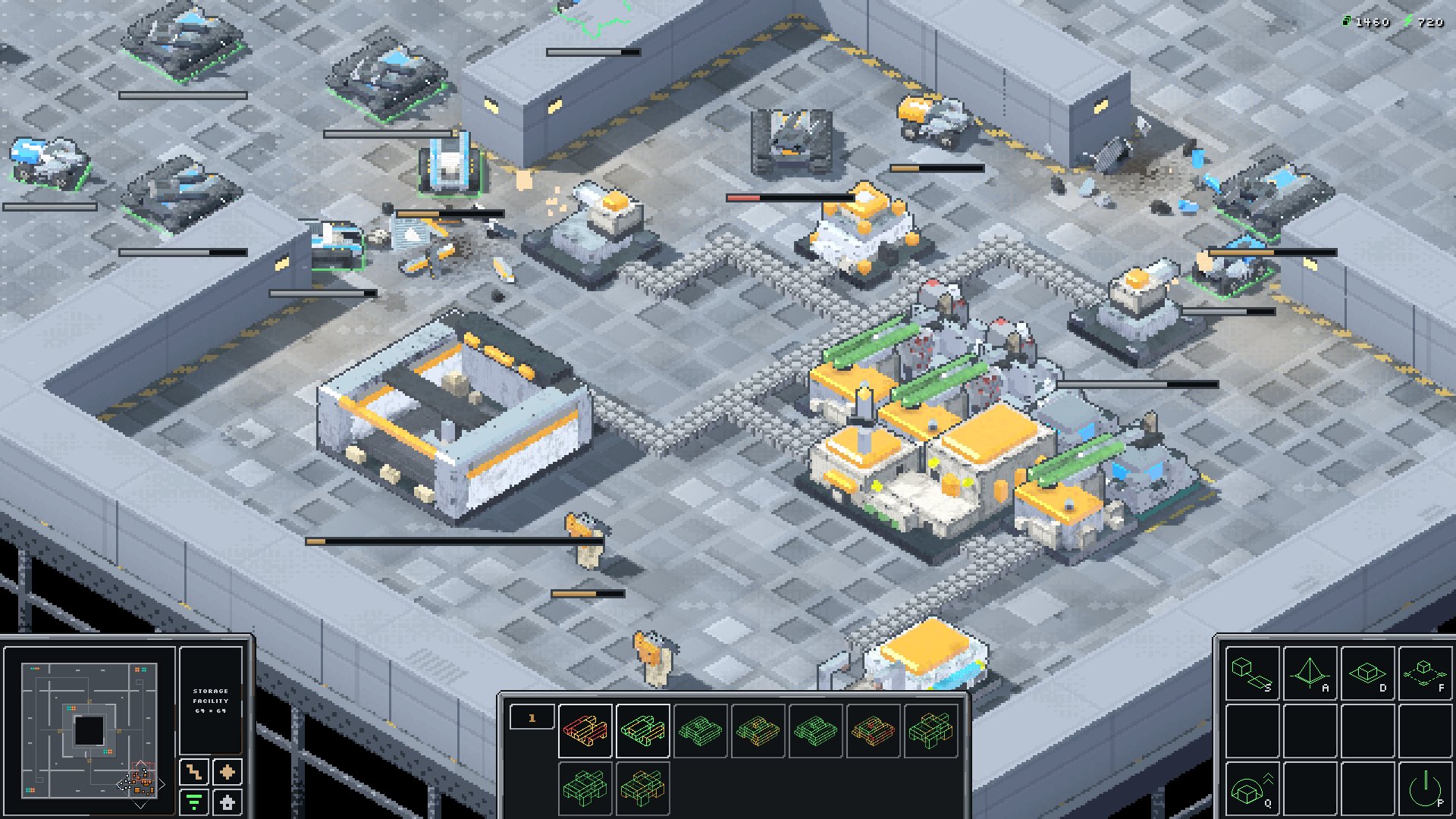
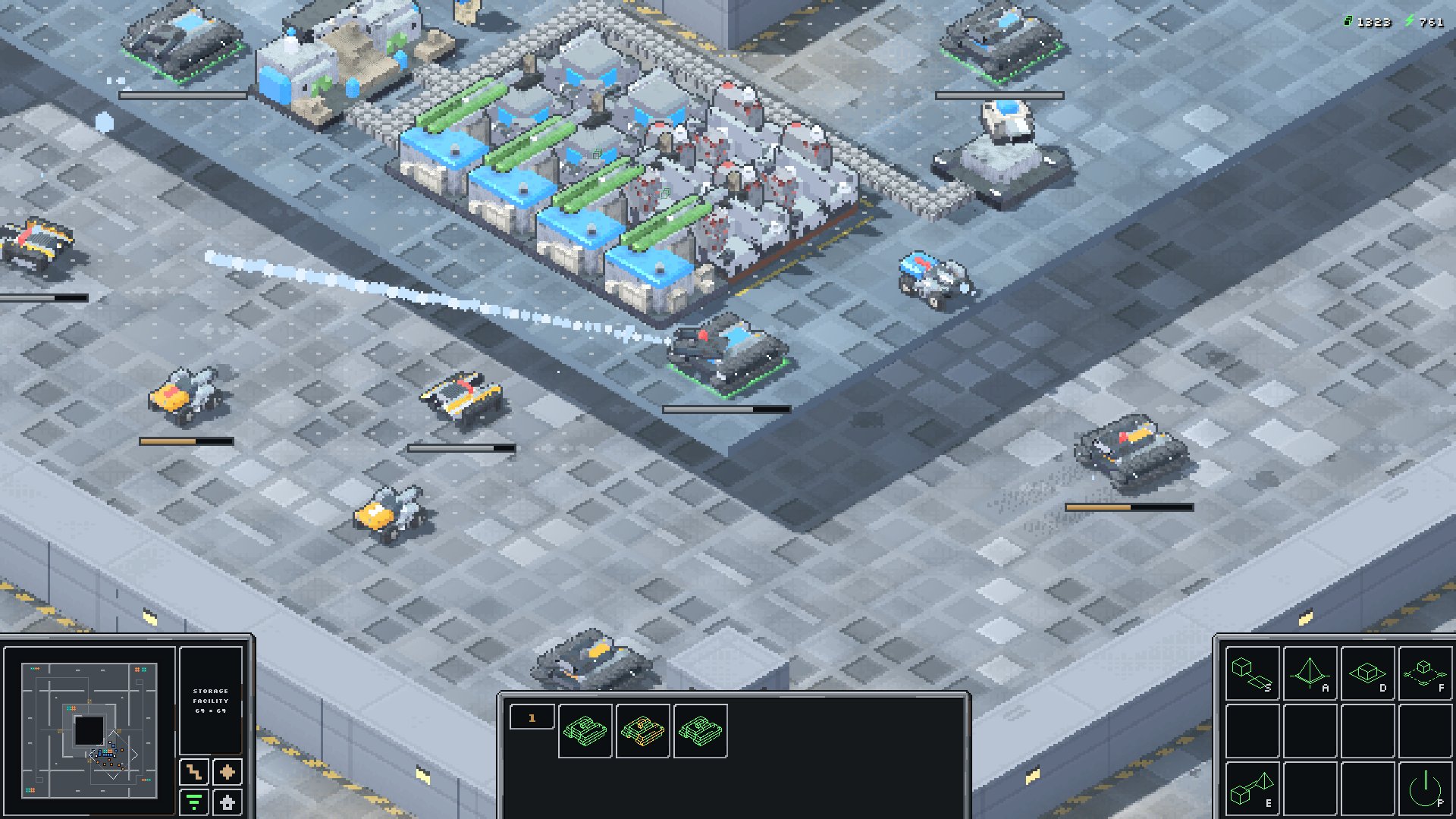
From the campaign's first two missions and two of the skirmish maps: Shuttle 01, on board a ship, and the Storage Facility, stacked floors joined by ramps. Click one to see it full size.
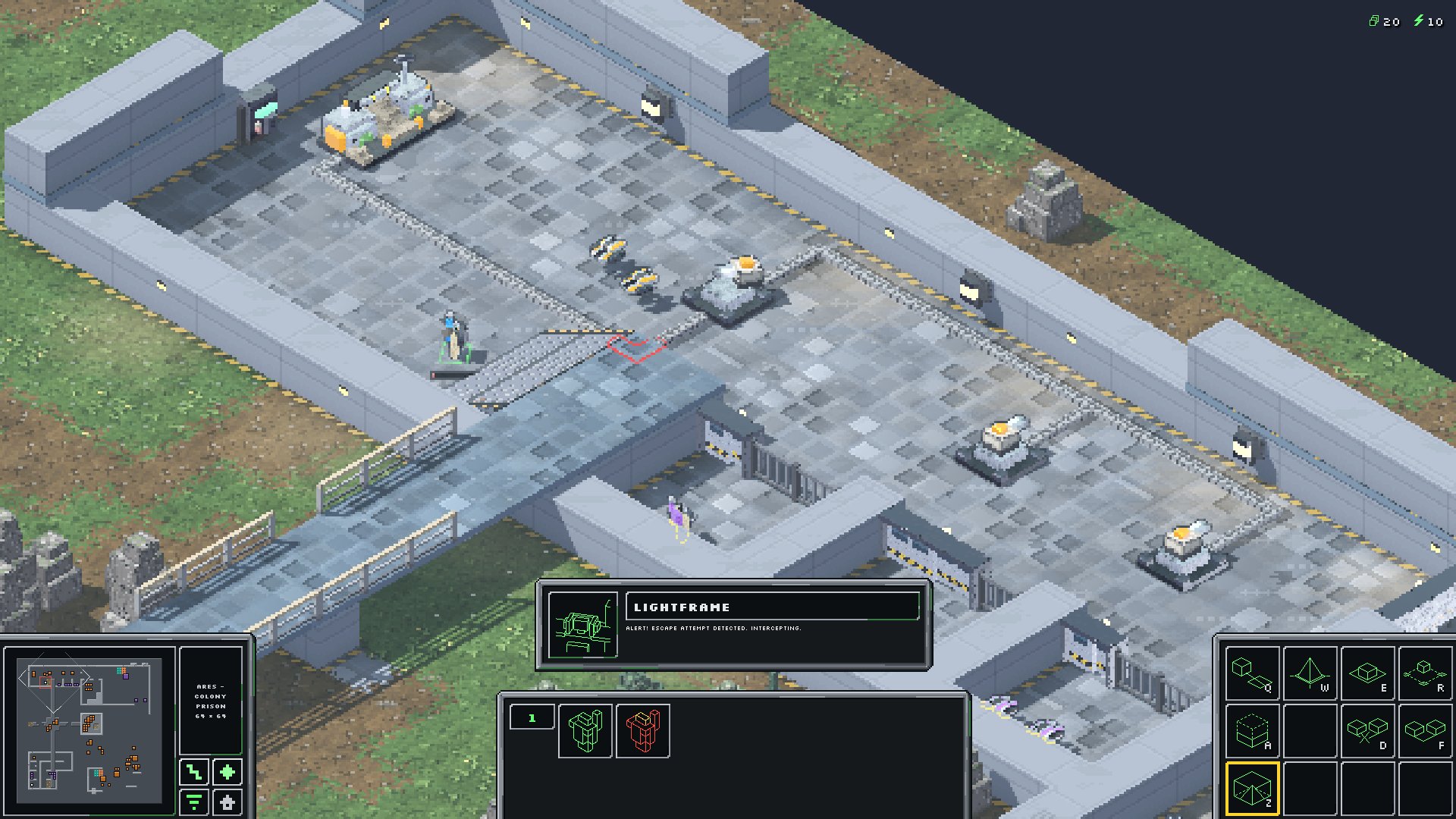
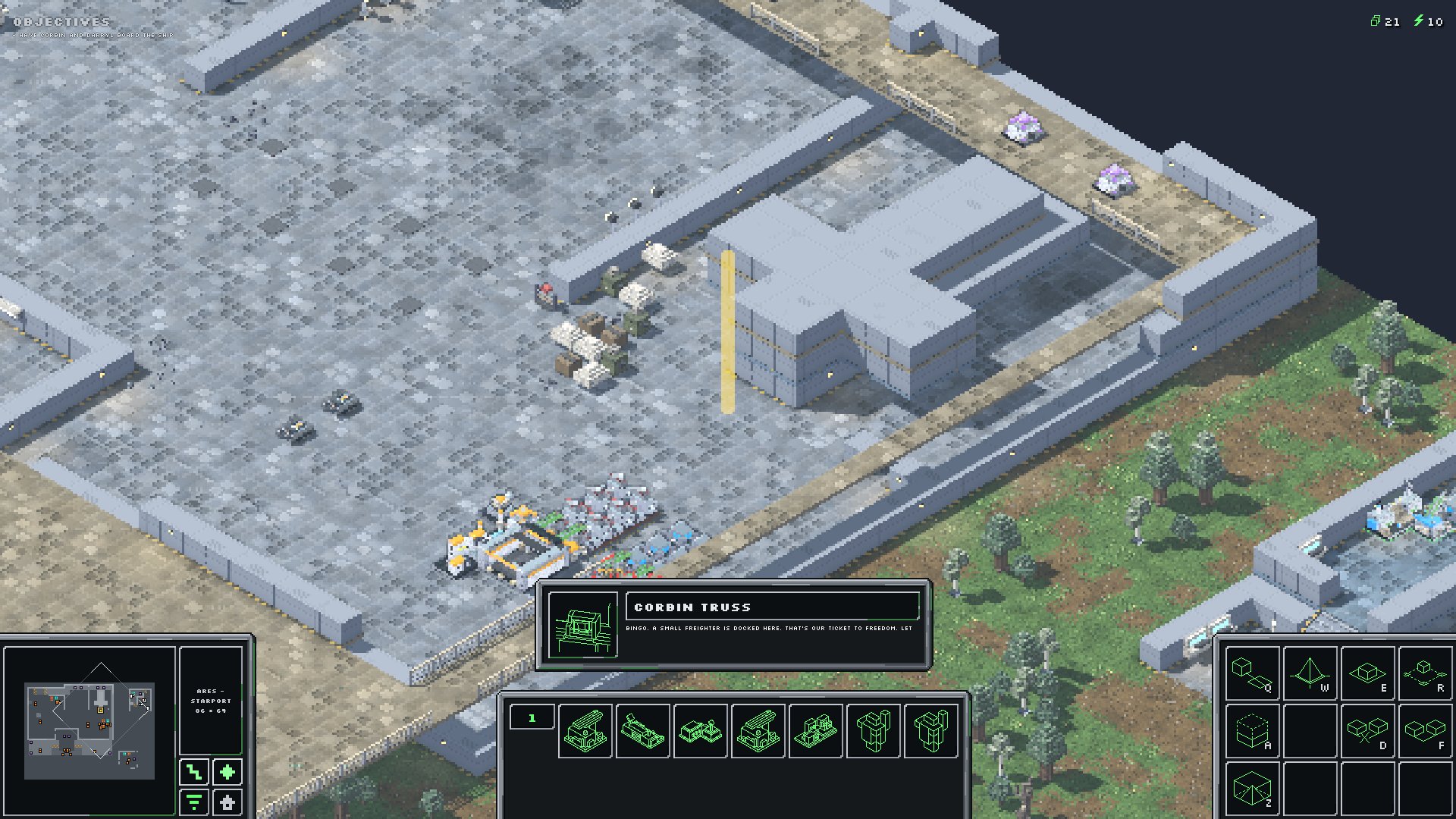
The first two missions are in: Corbin's escape from El Poena Colony Prison, and the run for the Ares - II Starport. Each ends with a talk between the two convicts on the way to the next.
The server is up, in Germany for now. You sign in with Steam, so there's no account to make. Matches run in lockstep: both computers run the same simulation and only send each other the orders.
The Operator's Glitch and the machines' Shutdown went in, and the game took its name from the second one. The old Breach Module start became a Command Post.
Units and maps can be painted with decals now. The Tracklayer drives up ramps on its tracks and fires while it moves.
Buildings need cable to work. Operators lay it, and the other side can cut it.